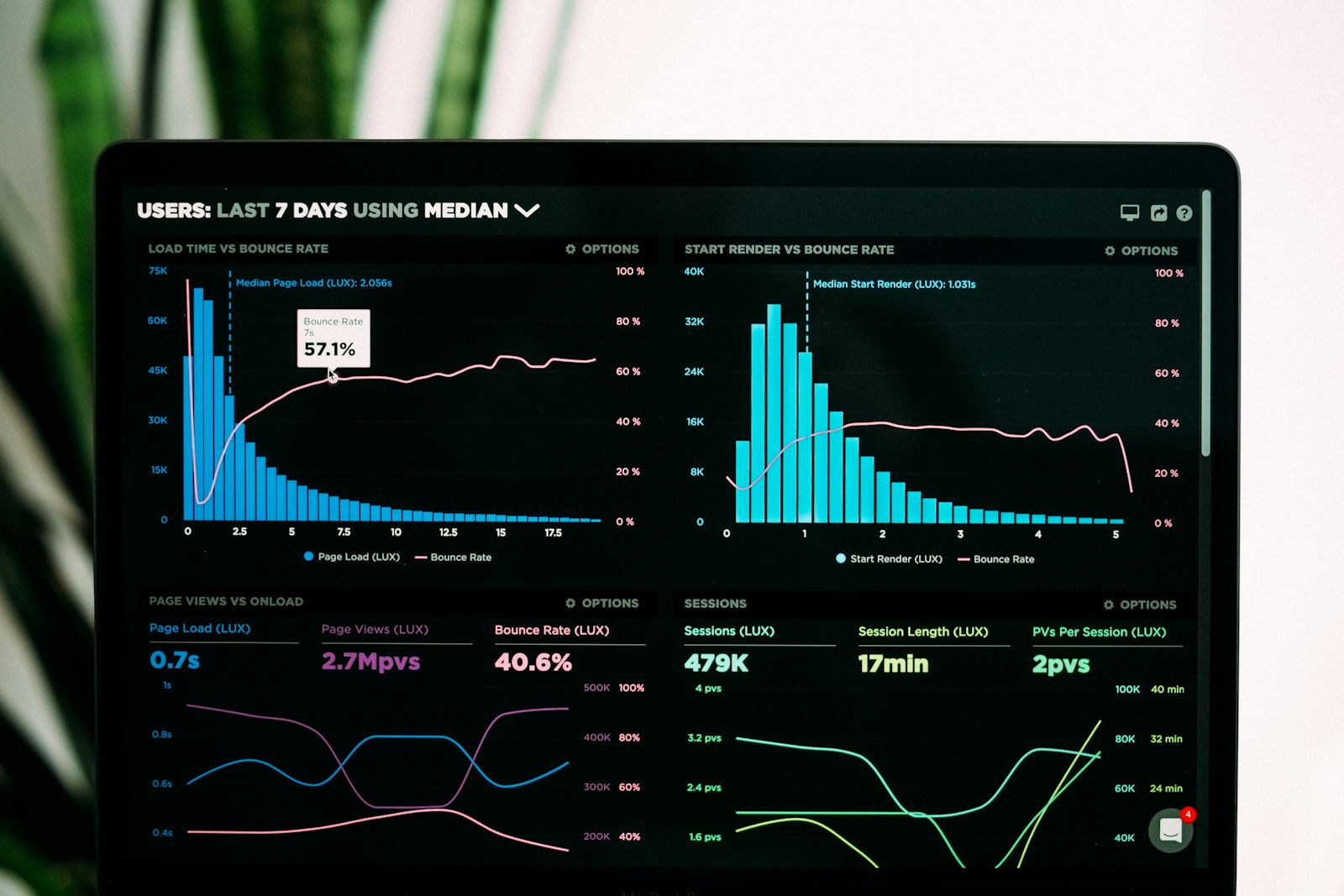

A Shopify Monday routine is a fixed 30-minute weekly ritual that converts your store's data into three to five specific actions for the next seven days. The point of the routine isn't to look at every chart — it's to stop looking at charts and start shipping work. This article is the literal sequence we recommend to solo merchants on Pro and Plus plans, with the timing of each step.
If your Mondays currently start with "let me just check the analytics" and end at noon with seventeen open tabs and no decisions, this is the routine to replace that.
Why a fixed routine beats ad-hoc analytics
Solo merchants who check their store "whenever" miss two failure modes:
- Decision fatigue. Without a fixed agenda, you re-decide what to look at every time. That's the most expensive cognitive overhead in your week.
- Attention drift. A new spike in Meta ROAS pulls you in for an hour. A weird customer support email derails another. By Friday you've reviewed three things deeply and ignored seven others.
A fixed routine solves both. You know exactly which six questions you're going to ask, in what order, in 30 minutes flat. You answer them and you leave.
The 30-minute routine, step by step
Minute 0–5: Restock check
Open the restock recommendation (in DropifyXL or your inventory tool). Note any SKU under your reorder threshold. Calendar the reorder. Do not "remember to do it later."
If you're doing this manually: pull units sold last 30 days for your top 20 SKUs. Divide by 30. Flag anything where days-of-cover is below your supplier lead time × 1.5.
Minute 5–10: Win-back segment
Pull (or have your tool surface) the count of customers past their reorder cadence — typically 1.5 × avg_order_gap_days. If the segment has more than ~50 people, queue up a win-back sequence for the week.
Below 50 customers, skip — the unsubscribe rate dominates the math at small segment sizes.
Minute 10–15: Pricing + merchandising scan
Two questions in five minutes:
- Pricing: any top-10 SKU sitting more than 10% below category median margin? Flag for a 5–8% test.
- Merchandising: any top-10 SKU not visible from the homepage in two clicks? Move it forward.
Both are quick wins — see the PDP CRO guide for the deeper version.
Minute 15–20: One funnel cut
Look at one funnel cut you didn't look at last week. Rotate weekly so you don't fixate:
- Mobile vs desktop conversion
- Paid vs organic conversion
- Landing-page conversion (homepage / collection / PDP)
- Add-to-cart vs checkout-start vs checkout-complete
Note the widest gap relative to your baseline. If it's bigger than 1.6× (mobile vs desktop is the classic case), that's next week's deeper investigation.
Minute 20–25: Last week's outstanding actions
Pull last Monday's plan. Three states for each item:
- Done — celebrate briefly, log it.
- Snoozed — bump to this week.
- Dismissed — note why; the rule that triggered it might need tuning.
This is the discipline most merchants skip. Without it, the plan becomes a treadmill of unfinished work.
Minute 25–30: Write this week's plan
Three to five items, ranked by (impact × confidence) / effort. Each one gets a deadline. Put them on the calendar. Close the laptop.
What you don't do during the routine
Equally important — the things to not do on Monday morning:
- Don't dive into ad creative. That's a Tuesday or Wednesday job; needs different brain.
- Don't read customer support. Different cognitive load; do it after the plan is set.
- Don't tinker with the theme. It always takes longer than you think.
- Don't open social. Fifteen-second context switches are routine-killers.
The 30-minute window is sacred. Everything else is for the rest of the week.
Adapting the routine to your scale
The routine works at any scale, but the time allocation per step shifts:
- $5K–$30K/month: restock + win-back are the heaviest. 10 minutes each. Funnel scan is lighter — not enough volume to detect subtle issues.
- $30K–$150K/month: all six steps balanced at ~5 minutes each. The funnel-cut step pays off most reliably here.
- $150K+/month: consider running the routine twice a week (Monday + Thursday) — the data refreshes faster than weekly review can absorb.
DropifyXL's Plus plan ships a daily plan instead of a weekly one for stores in the $150K+ range, which collapses the routine into a 5-minute morning check.
When to skip a week
Real talk: occasionally the right move is to not do the routine.
- You're in a launch sprint. New product, new ad campaign, new theme — the routine assumes a stable baseline. Re-establish baseline first.
- You're sick or otherwise low-energy. Half-doing the routine is worse than skipping. You'll execute on weak decisions.
- You did the same routine three weeks in a row with nothing triggering. Either the rules need tuning or the store is genuinely on autopilot. Re-evaluate the rules; don't keep going through motions.
Frequently asked questions
How long should a Shopify Monday routine actually take?
Thirty minutes for a $5K–$150K/month store. Less if you have automated tools surfacing the rules; more if you're computing each step manually. Beyond 45 minutes, you're scrolling charts, not making decisions.
What if I only have 15 minutes?
Compress to: restock check (5 min), win-back queue (3 min), write the plan (7 min). Skip the funnel cut and last-week review every other week. Coverage drops but the loop still produces actions.
Should I check sales every day?
For most $5K–$100K/month stores, no. Daily revenue numbers are noisy and trigger unproductive reactive decisions. Once a week is enough. If something genuinely needs daily attention (an active ad launch, a Black Friday weekend), it'll be obvious — set a temporary daily check.
Does DropifyXL automate the routine?
Yes. The weekly action plan runs the six-step loop automatically against your Shopify data. The Monday routine becomes "review the plan, accept or skip each item, calendar the actions" — typically 10 minutes instead of 30.
What time of day works best?
First thing Monday morning, before email. The cognitive cost of a routine drops sharply when it's automatic; "before checking anything else" is the easiest trigger to install.
Key takeaways
- A solo merchant's Monday routine is a fixed 30-minute ritual, not a chart-scanning session.
- Six steps: restock check (5m), win-back segment (5m), pricing + merchandising (5m), one funnel cut (5m), last week's outstanding (5m), write this week (5m).
- The non-negotiable output is three to five calendared actions with deadlines.
- Don't dive into ad creative, support, or theme work during the routine. Different cognitive mode.
- DropifyXL's weekly action plan collapses the routine to a 10-minute review of an auto-generated list.
The routine isn't impressive. It's not supposed to be. It's supposed to be the same thing every Monday so you stop having to invent the loop and can spend the rest of the week on the work itself.